“This accident points to the urgency for changing how we regulate the transport of toxic materials and petroleum products on, over and around our precious water resources. Our valuable waters, such as the Ohio River and the Great Lakes, must be better protected from the threats to the safety of our drinking water from transporting hazardous chemicals.”
1/5/23: New York; Chautauqua Lake Protection and Rehabilitation Agency Recommends New Tax
There is currently a recommendation that is to be voted on in January to tax property owners throughout the watershed without a clear long-term plan for how to use the proposed new tax revenue to return the lake to health.
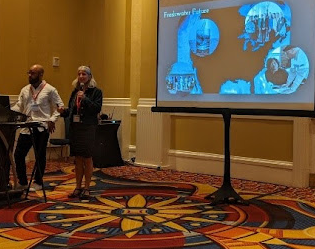
Freshwater Future Presents at the National Adaptation Forum
Freshwater Future’s Ann Baughman and Kwamé Hampton presented findings from community-based organizations who are using the Flood Focus App. Freshwater Future’s Flood Focus App provides a way for residents to document flooding in a data gathering phase, followed by data visualization and advocacy.
Affordable Water for All Michiganders is Possible, New Study Finds
DETROIT, Mich. (November 30, 2022) – Michigan has suffered from chronically high water rates for decades, forcing many families to…
Southwest Detroit Deserves Justice from Environmental Pollutants
Toxic Tour Highlights How Industrial Pollution and Forever Chemicals Threaten Public Health
Clean Water Act Turns 50!
As the CWA turns 50 years old on October 18th, 2022, we are reflecting on the landmark law and looking towards a future with strong protections for our waters.
One of the Risks of Water System Regionalization – Boil Water Advisory Impacts Nearly 1 Million People
Many Michigan state representatives and civil servants seek one-size fits all solutions, like regionalization, to address the growing challenges of aging infrastructure, water quality, and affordability. However, the injustices created by regional entities such as GLWA have caused Michigan water advocates to demand a different way forward.
Freshwater Future Weekly: September 2, 2022
#WeAreLakeErieDay was trending on social media this week from people sharing their memories and appreciation for Lake Erie. While there is much to celebrate about Lake Erie, the lake also needs our help as it is plagued by harmful algal blooms.
Getting to know Lake Erie – We Are Lake Erie Day!
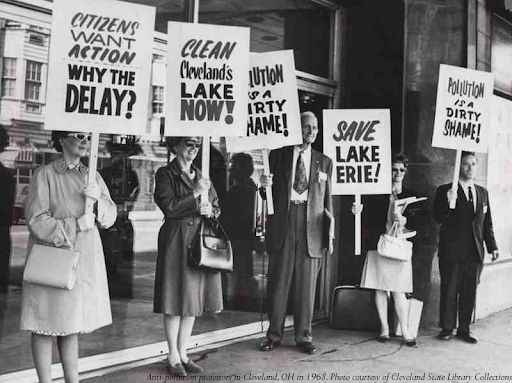
Cleaning up Lake Erie again will require sizeable collective efforts and long-term commitments from the federal, provincial and state governments as well as many communities and stakeholders all around the lake.
Near Zero Health Advisories for PFAS Chemicals Announced by U.S. EPA
Recently, the U.S. Environmental Protection Agency (U.S. EPA) adopted new health advisories for four specific types of PFAS. The new health advisories are 17,500 times lower for PFOA and 3,500 times lower for PFOS than the U.S. EPA health advisories established in 2016.